
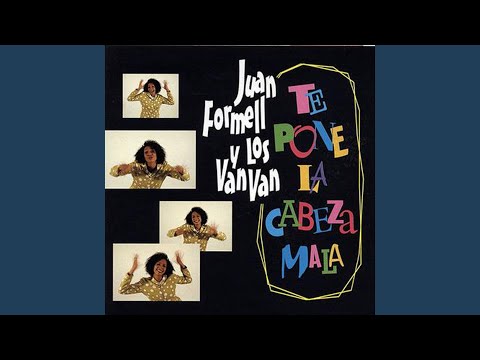
Los Van Van
Esto te pone la cabeza mala 가사와 한국어 번역
- 언어
- 스페인어
- 난이도
- 중급
- 발매
- 1999
- 장르
- Son Cubano
- 길이
- 4:09
Vengo de Nigeria, Yoruba Arará y Carabalí
저는 나이지리아에서 왔죠, 요루바 아라라, 카라발리
Nigeria y Congo son mi tierra
나이지리아와 콩고, 그게 제 고향
Mozambique y Angola soy de allí
모잠비크와 앙골라, 저는 거기서 왔어요
Eh-eh, oh-oh
에-에, 오-오
Vengo de Nigeria, Yoruba Arara' y Carabalí
저는 나이지리아에서 왔죠, 요루바 아라라', 카라발리
Nigeria y Congo son mi tierra
나이지리아와 콩고, 그게 제 고향
Mozambique y Angola soy de alí
모잠비크와 앙골라, 저는 거기서 왔어요
Eh-eh, oh-oh, brr
에-에, 오-오, 브르
Esa música que heredamos
우리가 물려받은 이 음악
Hijos y nietos de los africanos
아프리카인의 아들들과 손자들
La que mezclamos con la española
우리가 섞어 만든 그 스페인풍
Con la francesa y la portuguesa
프랑스의 감성과 포르투갈의 그리움을 더해
La que fundimos bien con la inglesa
그래서 우리는 잉글랜드의 리듬과도 잘 녹여냈지
Por eso decimos que es una sola
그렇기에 하나라고 말하는 거야
Timba con rumba y rock
팀바에 룸바, 그리고 록
Mambo con conga y pop
맘보에 콩가, 그리고 팝
Salsa con mozambique
살사에 모잠비크를
Y clave de guaguanco
그리고 과궤앙코의 클라베
Cumbia y congas con swing
쿰비아, 그리고 콩가까지 스윙으로
Songo con samba y beat
송고에 삼바, 그리고 비트
Merengue con bomba y son
폭발하는 밤과 메렝게의 리듬, 소리여
Y clave de guaguanco
그리고 과 콰과응코의 비밀 코드
(Bombo, canilla y campana)
(북과 카니야, 그리고 종)
(Un buen guiro y hasta mañana)
(좋은 기로와 함께, 내일이면 또 만나요)
Ay, bombo, canilla y campana
아, 북과 카니야, 그리고 종
Que tumba guiro y hasta mañana
이 기로를 두드리면 쓰러져도 내일이면 또 만나
(Bombo, canilla y campana)
(북과 카니야, 그리고 종)
(Un buen guiro y hasta mañana)
(좋은 기로와 함께, 내일이면 또 만나요)
Ay con este ritmo tan afincao
아, 이렇게 땅에 딱 붙은 리듬으로
Bailen bien, que aquí el que baila gana
잘들 춤춰요, 여기선 춤추는 자가 이긴다
(Bombo, canilla y campana)
(북소리, 카닐라, 종소리)
(Un buen guiro y hasta mañana)
(좋은 기로 한 잔에, 내일 또 만나요)
Bombo layé, layé, ay, bombo layé
뽐보 라예, 라예, 아, 뽐보 라예
Pa' que baile usted
당신이 춤추게 하려고
(Bombo, canilla y campana)
(북소리, 카닐라, 종소리)
(Un buen guiro y hasta mañana)
(좋은 기로 한 잔에, 내일 또 만나요)
Sa-la-la-la-la-la-la-la-la-ah
사-라-라-라-라-라-라-라-라-아
Campanero
종을 치는 사내
(Bombo, canilla y campana)
(북소리, 카닐라, 종소리)
(Un buen guiro y hasta mañana)
(좋은 기로 한 잔에, 내일 또 만나요)
Ay, aquí sí sale o sino no sale
아, 여기선 되면 되고 안 되면 안 돼
La cosa es de aprendizaje
문제는 배움의 문제야
Ahí na'má, ahí na'má
그냥 거기, 그냥 거기
(Esto te pone la cabeza mala)
(이거 보면 머리가 아파져)
Brr, ¿qué es esto? Ay, Dio'
브르, 이게 뭐야? 아, 맙소사
(Esto te pone la cabeza mala)
(이거 보면 머리가 아파져)
Una aspirina, me duele la cabeza
아스피린 한 알, 머리가 아파
(Esto te pone la cabeza mala)
(이거 보면 머리가 아파져)
Y, si no te preocupa, por qué te interesa, ¿mamá?
그리고 네가 상관없다는데, 왜 그렇게 관심이 생겨? 엄마?
(Esto te pone la cabeza mala)
(이거 보면 머리가 아파져)
Pero baila como Chen-Chen-Chen-Chen-Chen
하지만 Chen-Chen-Chen-Chen-Chen처럼 춤춰
(Esto te pone la cabeza mala)
(이러면 머리가 아파져)
Y de las 7:00 hasta las 12:00, para que goce
그리고 7시부터 12시까지, 마음껏 즐기게
(Esto te pone la cabeza mala)
(이러면 머리가 아파져)
Yalambire, yalambire, yalambarara
얄람비레, 얄람비레, 얄람바라
(Esto te pone la cabeza mala)
(이러면 머리가 아파져)
¡Ahí!
거기!
(Esto te pone la cabeza mala)
(이러면 머리가 아파져)
Move it, move it, move it, move it, move it, move it, move it, move it
움직여, 움직여, 움직여, 움직여, 움직여, 움직여, 움직여, 움직여
(Esto te pone la cabeza mala)
(이러면 머리가 아파져)
(Esto te pone la cabeza mala)
(이게 네 머리를 아프게 만들어)
(Esto te pone la cabeza mala)
(이게 네 머리를 아프게 만들어)
Y todo el mundo de pie
그리고 모두가 서 있어
Y con las manos en la cabeza
그리고 두 손을 머리에 얹고
(Esto te pone la cabeza mala)
(이게 네 머리를 아프게 만들어)
Avisale a Cristina y también a Teresa, mamá
크리스티나한테도, 테레사한테도 말해, 엄마
(Esto te pone la cabeza mala)
(이게 네 머리를 아프게 만들어)
Oye, ay, mamá, cómo vengo este año
있지, 아, 엄마, 올해는 내가 어떻게 오냐
(Esto te pone la cabeza mala)
(이게 네 머리를 아프게 만들어)
Ay, ¿cómo? Acabando y acabando
아, 어떻게? 끝내고 또 끝내고
(Esto te pone la cabeza mala)
(이거 네 머리를 아프게 해)
Oye, y angolonao
오이, 앙골로냐오
(Esto te pone la cabeza mala)
(이거 네 머리를 아프게 해)
¿Cómo es que te la pone a ti?
어떻게 해, 너한테 그렇게 박히는 거야?
¿Cómo es que te la pone a ti?
어떻게 해, 너한테 그렇게 박히는 거야?
¿Cómo es que te la pone a ti?
어떻게 해, 너한테 그렇게 박히는 거야?
(Esto te pone la cabeza mala)
(이거 네 머리를 아프게 해)
Ahí na'má, voy ahí, ahí na'má
거기다, 그냥 가, 거기다
(Esto te pone la cabeza mala) Voy ahí
(이거 네 머리를 아프게 해) 가는 거야
Ahí na'má, voy ahí (¿Cómo?), ahí na'má
거기다, 그냥 가 (뭐라고?), 거기다
(Esto te pone la cabeza mala) Voy ahí, ¿cómo?
(이거 너 머리 아프게 해) 간다, 어때?
Y con las manos para arriba
그리고 손을 위로 들고
(Esto te pone la cabeza mala)
(이거 너 머리 아프게 해)
Y con las manos en la cabeza
그리고 손을 머리에
Ti-ti-ti-ti-ti-ti-ti
티-티-티-티-티-티-티
(Esto te pone la cabeza mala)
(이거 너 머리 아프게 해)
(Esto te pone la cabeza mala)
(이거 너 머리 아프게 해)
Y ataca, Guayacán
그리고 공격하지, 과야칸
(Esto te pone la cabeza mala)
(이거 너 머리 아프게 해)
(Esto te pone la cabeza mala)
(이거 너 머리 아프게 해)
Lyrics powered by www.musixmatch.com
핵심 단어
- allí
- 저기A1
- arriba
- 위로A1
- cómo
- 어떻게A1
- cosa
- 것A1
- esa
- 그것A1
- eso
- 그것A1
- este
- 이A1
- esto
- 이것A1
- arara
- 앵무새
- alí
- 알리
실력 확인
Esto te pone la cabeza mala, 얼마나 알아들으셨나요?
이 노래의 핵심 단어를 빠르게 퀴즈로 확인해 보세요.
이 노래에 대해
Los Van Van is a Cuban band in the son genre that helped pioneer songo in the late 1960s, blending electric instruments, jazz influences, and dance-focused son with topical lyrics. They are among Cuba’s most popular groups, known for shaping a sound that draws on African roots and island song traditions.