
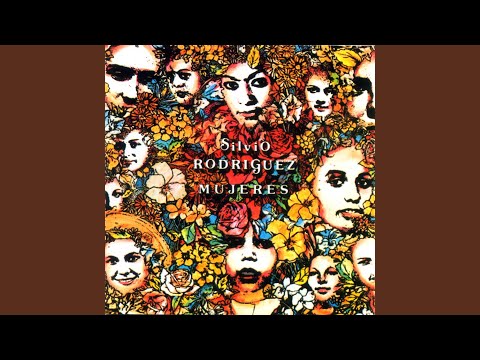
Silvio Rodríguez
Aceitunas lyrics with English translation
- Language
- Spanish
- Level
- Intermediate
- Released
- 1978
- Length
- 2:49
Tus piernas de 3 a 6 de la tarde
Your legs from 3 to 6 in the afternoon
En la memoria de pronto me arden
Suddenly they burn in my memory
Y cuando quiero aliviar mi locura
And when I want to ease my madness
Solo me calma comer aceitunas
Only eating olives calms me down
Una aceituna mordida le ha
A bitten olive has
Vuelto la vida a todo tu sabor
Brought life back to all your flavor
Maravillado, respiro y siento tu olor
Amazed, I breathe and feel your scent
Hoy yo deliro, me corta tu filo
Today I’m delirious, your edge cuts me
Hasta el límite de la ilusión
To the limit of illusion
Como despacio y alargo el espacio
As I eat slowly and stretch out the space
Entre el beso inicial y el de adiós
Between the first kiss and the goodbye
Una aceituna mordida le ha
A bitten olive has
Vuelto la vida a todo tu sabor
Brought life back to all your flavor
Maravillado, respiro y siento tu olor
Amazed, I breathe and feel your scent
Y aquí me tienes bien aferrado
And here you have me tightly held
A la semilla como colgando de ti
To the seed as if hanging from you
Tus piernas de 3 a 6 de la tarde
Your legs from 3 to 6 in the afternoon
En la memoria de pronto me arden
In my memory suddenly they burn
Y cuando quiero aliviar mi locura
And when I want to ease my madness
Solo me calma comer aceitunas
Only eating olives calms me down
Tus piernas de 3 a 6 de la tarde
Your legs from 3 to 6 in the afternoon
En la memoria de pronto me arden
Suddenly, they burn in my memory
Y cuando quiero aliviar mi locura
And when I want to ease my madness
Solo me calma comer aceitunas
Only eating olives brings me calm
Lyrics powered by www.musixmatch.com
Key vocabulary
- adiós
- goodbyeA1
- aquí
- hereA1
- despacio
- slowlyA1
- entre
- amongA1
- aliviar
- relieveC1
- arden
- burn
- cuando
- whenB1
- locura
- madnessB2
- calma
- calmC1
- ha
- hasA2
About this song
Silvio Rodríguez is a Cuban singer-songwriter associated with nueva trova and nueva canción. He is known for politically charged, lyric-driven protest songs set against tender folk balladry, and for helping define the style that emerged in the late 1960s and early 1970s.