
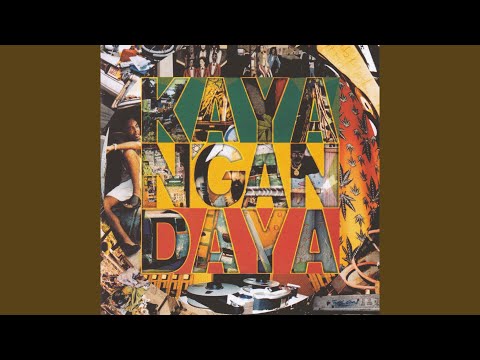
Gilberto Gil
《Buffalo Soldier》歌词与中文翻译
- 语言
- 葡萄牙语
- 难度
- 中级
- 发行年份
- 2002
- 流派
- Samba
- 时长
- 6:09
Buffalo Soldier
骑着骡子的士兵
Dreadlock Rasta
长着辫子的拉斯塔
There was a Buffalo Soldier
曾有一位骁勇的骑兵
In the heart of America
在美利坚的心脏里
Stolen from Africa
从非洲被掠走
Brought to America
被带到美国
Fighting on arrival
到来之时就奋战
Fighting for survival
为求生存而战
I mean it, when
我是认真的,听我说当
I analyse the stench
我细细地分析这股恶臭
To me, it makes a lot of sense
对我来说,这再合情合理不过
How the Dreadlock Rasta
理发成辫子的拉斯塔——
Was the Buffalo Soldier
他是位“水牛士兵”
And he was taken from Africa
而他被从非洲带走
Brought to America
带到了美国
Fighting on arrival
初到之时便上阵厮杀
Fighting for survival
为求生存而战
Said he was a Buffalo Soldier
他说他是“水牛士兵”
Dreadlock Rasta
理发成辫子的拉斯塔
Buffalo Soldier
“水牛士兵”】【幅】
In the heart of America
在美利坚的心脏地带
If you know your history
如果你知道自己的历史
Then you would know where you coming from
那你就会知道你从哪儿来
Then you wouldn't have to ask me
也就不必再来问我
Who the heck do I think I am
我到底把自己当成谁
I'm just a Buffalo Soldier
我只是个巴法罗士兵
In the heart of America
在美利坚的心脏地带
Stolen from Africa, brought to America
被从非洲掠走,带到美国
Said he was fighting on arrival
说他一到就上了战场
Fighting for survival
为求生存而战
Said he was a Buffalo Soldier
他说他是巴法罗兵(Buffalo Soldier)
Win the war for America
为美国赢下这场战争
Buffalo Soldier, trodding through the land
巴法罗兵踏过大地
Said he wanna ran, then you wanna hand
他说他想跑,你就该把手递给他
Trodding through the land, yea, yea
踏过大地,耶耶
Buffalo Soldier
巴法罗兵
Win the war for America
为美国赢下这场战争
Buffalo Soldier, Dreadlock Rasta
巴法罗兵,披着长辫的拉斯塔
Fighting on arrival, fighting for survival
到达之时就战斗,为了生存而战斗
Driven from the mainland
被迫离开大陆本土
To the heart of the caribbean
走向加勒比之心
Trodding through San Juan
踏过圣胡安的街巷
In the arms of America
在美国的怀抱里
Trodding through Jamaica, a Buffalo Soldier
踏过牙买加,水牛士兵
Fighting on arrival, fighting for survival
到来即战,为生存而战
Buffalo Soldier, Dreadlock Rasta
水牛士兵, dreadlock 的拉斯塔
Lyrics powered by www.musixmatch.com
核心词汇
- to
- 到
- i
- 和
- analyse
- 分析
- then
- 然后
- am
- 是
- wanna
- 想
- yea
- 是的
- san
- 三
测测自己
这首 Buffalo Soldier 你听懂了多少?
围绕这首歌重点词汇的快速测验。
关于这首歌
Gilberto Gil was a Brazilian singer, guitarist, and songwriter associated with Tropicália and other innovative trends in Brazilian music. He is known for expanding Brazilian musical language through late-1960s and 1970s recordings and for combining an active political career, including serving as Brazil’s minister of culture, with ongoing work as a recording artist.