
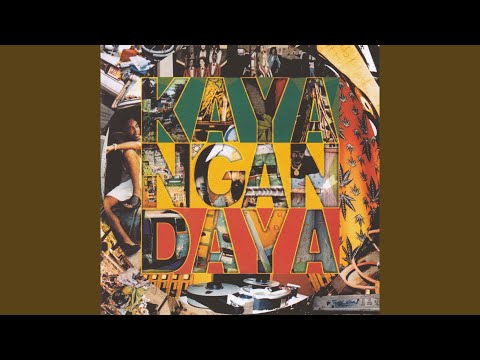
Gilberto Gil
《One Drop》歌词与中文翻译
- 语言
- 葡萄牙语
- 难度
- 中级
- 发行年份
- 2002
- 流派
- Samba
- 时长
- 5:04
Feel it in the one drop
在那一滴里感受它
And we'll still find time to rap
而我们仍会抽出时间来押韵
We're making the one stop
我们在酝酿这一站的时刻
The generation gap
代沟的裂缝
So feel this drum beat
所以就把这鼓点听进心里
As it beats within
它在胸腔里敲响
Playing a rhythm
演奏着同一种节奏
Resisting against the system
抵抗那套制度的束缚
Ooh-we I know JAH'd never let us down
哦哟,我知道主从不曾让我们失望
Pull your rights from wrong
把你的权利从错误里夺回来
I know JAH'd never let us down
我知道,耶和华绝不会让我们失望
Oh no! oh no! oh no!
哦不!哦不!哦不!
I mean it, when I analyse the stench
我是认真的,当我去分析那股臭味
To me, it makes a lot of sense
对我来说,这就非常说得通
How the Dreadlock
德雷德锁怎么会
Rasta was the Buffalo Soldier
拉斯塔竟是水牛士兵
And he was taken
而且他被带走
From Africa, brought to America
从非洲出发,辗转带到美国
Fighting on arrival
初来乍到就上战场
Fighting for survival
为活下去而战
They made the world so hard
他们把世界弄得如此艰难
Everyday we got to keep on fighting
每天我们都得继续战斗
They made the world so hard
他们把世界弄得如此艰难
Everyday people are dying
每天人们都在走向死亡
From hunger and starvation
饥饿与饥荒之中
Lamentation
哀叹
But read it in Revelation
但你要去《启示录》里读到
You'll find your redemption
你会找到你的救赎
And then you give us
然后你把这一切交给我们
The the teaching of His Majesty
祂陛下的教导
For we no want no devil philosophy
因为我们不想要那套魔鬼哲学
Give us the teaching of His Majesty
把祂陛下的教诲赐给我们
For we no want no devil philosophy
因为我们不想要那套魔鬼哲学
Feel it on the one drop
让它在这一滴里感受得到
And we still find time to rap
而我们仍能抽出时间来押韵
We're making the one stop
我们在打造那一个站点
And we fill in the gap
我们填补那道空缺
So fell this drum beat
所以就沉浸在这鼓点里吧
As it beats within, playing a rhythm
当鼓点在体内跳动,奏出韵律
Fighting against ism and skism
与“主义”和“纷争”对抗
I know JAH'd never let us down
我知道,JAH 从不让我们失望
Pull your rights from wrong
把你的权利从错误里夺回来
I know JAH'd never let us down
我知道,JAH 从不让我们失望
Oh no! oh no! oh no!
噢不!噢不!噢不!
Lyrics powered by www.musixmatch.com
核心词汇
- we'll
- 我们将
- to
- 到
- we're
- 我们是
- so
- 所以
- ooh-we
- 噢,我们
- i
- 我
- jah'd
- 赞雅
- analyse
- 分析
- you'll
- 你将
- then
- 然后
测测自己
这首 One Drop 你听懂了多少?
围绕这首歌重点词汇的快速测验。
关于这首歌
Gilberto Gil was a Brazilian singer, guitarist, and songwriter associated with Tropicália and other innovative trends in Brazilian music. He is known for expanding Brazilian musical language through late-1960s and 1970s recordings and for combining an active political career, including serving as Brazil’s minister of culture, with ongoing work as a recording artist.