
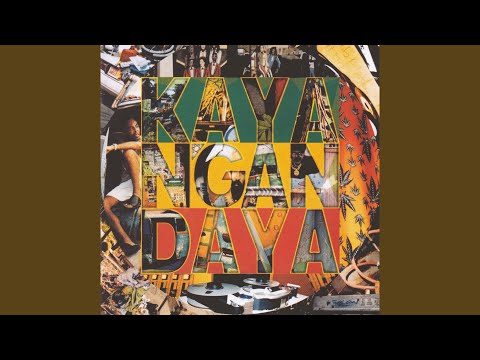
Gilberto Gil
《Table Tennis Table》歌词与中文翻译
- 语言
- 葡萄牙语
- 难度
- 中级
- 发行年份
- 2002
- 流派
- Samba
- 时长
- 4:31
TABLE TENNIS TABLE
乒乓球桌
Gilberto Gil
吉尔贝托·吉尔
Table tennis table
乒乓球桌
I and I
我与我
Play to show we are able
为了让你看见我们做得到
Not to die
不必死去
Small and light white ball
小巧轻盈的白色球
Forth and forth
往前往前
All is irie and irie is all
万物皆“irie”,而“irie”即万物
Love is worth
爱,值得
Don't think I'm trying to make another I
别以为我想要再造出另一个我
One is enough
一个就够了
I'm just expanding to overstand a cry
我只是把那声呐喊延展开来,好去更懂
As well as a laugh
也把一声笑一起
Don't think I'm lieing to fake another me
别以为我在撒谎,只为伪装出另一个我
One is too much
一切也太多了
I'm just extending the shores of my sea
我只是把我的海岸线再向前延伸
Beyond any reach, beyond any touch
再往远处——再不被触及的地方
See, on the opposite side as if we look on a mirror
看啊,在镜子那一边,仿佛我们隔镜相望
The other, the same
另一个,仍是同一个
See, on the table tennis table I'm killing the killer
看,乒乓球台上我把杀手给灭了
Is this me/we game
这就是我/我们这一场游戏吗?
This me/we game
这就是我/我们这一场游戏
This me/we game
这就是我/我们这一场游戏
Oh! Me/we
哦!我/我们
Yes, me/we
是的,我/我们
The shortest poem in all poetry
全诗里最短的一首
Oh! Me/we
哦!我/我们
Yes, me/we
是的,我/我们
The poem Cassius Clay declamed
卡西乌斯·克莱在宣诵的那首诗
Like I and I
像我和我
The same I and I
同样的我与我
Identical to I and I
与我与我一模一样
The pray that rastamen proclaimed
拉斯塔曼宣告的祈祷
To say that we are never alone in this world
说我们在这世界从不孤单
Me/we, I and I
我/我们、我与我
To state that state of togetherness
宣告那种并肩相随的状态
The oness that means not to die
“一体”的意义:不必死去
Table tennis table
乒乓球桌
Ping-pong, ping-pong, I and I
乒乓、乒乓——我与我
Play to show we are able
为证明我们有这本事就尽情演出
Not to die, not to die
不必死、不必死
Small and light white ball
小小轻轻白色的球
Forth and forth and so forth
向前去、向前去,就这样一直下去
All is Irie, Irie is all
一切皆为 Irie,Irie 亦是一切
Love is worth, love is worth
爱值得,爱值得
核心词汇
- i
- 我
- to
- 到
- don't
- 不
- trying
- 尝试
- expanding
- 扩张B1
- overstand
- 明白
- lieing
- 躺着
- extending
- 延伸
- shores
- 海岸
- killing
- 杀戮
测测自己
这首 Table Tennis Table 你听懂了多少?
围绕这首歌重点词汇的快速测验。
关于这首歌
Gilberto Gil was a Brazilian singer, guitarist, and songwriter associated with Tropicália and other innovative trends in Brazilian music. He is known for expanding Brazilian musical language through late-1960s and 1970s recordings and for combining an active political career, including serving as Brazil’s minister of culture, with ongoing work as a recording artist.